Carbon monoxide is often called the “silent killer” for a reason — it’s colourless, odourless, and tasteless, which means there is no way to detect it without a working alarm. As of January 1, 2026, Ontario has expanded its Fire Code requirements for carbon monoxide (CO) alarms, and the changes apply to existing homes, not just new construction. If you own a home in Ontario, here’s what you need to know to stay safe and stay compliant.
What Changed on January 1, 2026
Ontario has required CO alarms near sleeping areas in buildings with fuel-burning appliances, fireplaces, or attached garages since 2014. The 2026 update, made under Ontario Regulation 87/25 amending the Fire Code (O. Reg. 213/07), closes gaps that earlier rules didn’t fully address.
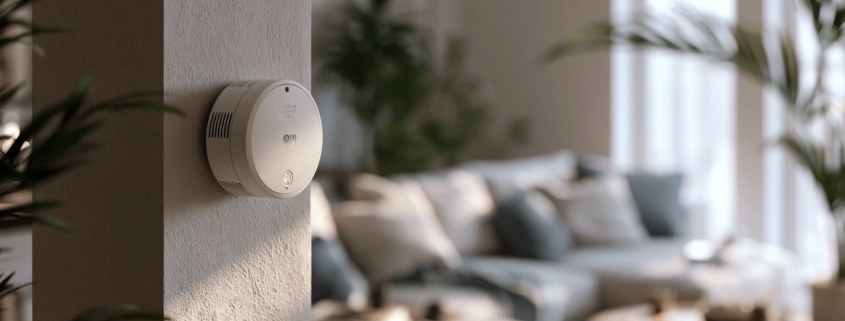
The headline change is simple but significant: a working CO alarm is now required on every storey of a qualifying home — including levels without bedrooms, such as basements and upper floors. Previously, an alarm outside the sleeping areas may have been considered sufficient.
These rules apply to all existing residential properties, so even if your home already has a CO alarm in the hallway outside the bedrooms, you may need to add more units to comply.
Does My Home Need CO Alarms?
Under the updated Fire Code, your house, townhouse, semi-detached, or cottage requires CO alarms if it has any of the following:
- A fuel-burning appliance, such as a furnace, gas or propane water heater, gas stove, or boiler
- A fireplace or wood-burning stove
- An attached garage
- Heat supplied from a fuel-burning appliance not contained within your home (new trigger as of January 1, 2026)
If any of these apply, the alarms must be installed:
- Adjacent to each sleeping area — typically the hallway or area directly outside the bedrooms
- On every storey of the home — including floors without bedrooms, such as basements and habitable attics or lofts (this is the part that’s new for 2026)
For apartments and condos, an alarm is required if your unit contains a fuel-burning appliance or fireplace, or if your unit is directly above, below, or beside a garage or a service room containing fuel-burning equipment.
Who Is Responsible?
In an owner-occupied home, the homeowner is responsible for installing and maintaining the required CO alarms. In a rental, the landlord is responsible for ensuring alarms are in place and working, and for testing them annually, when batteries are replaced, when there’s a change to the electrical circuit, or at a change of tenancy. Tenants are responsible for notifying the landlord of any alarm that isn’t working — and it’s against the law for anyone to remove the batteries or tamper with an alarm.
Choosing and Placing Your Alarms
A few practical notes that come up often during inspections:
- Certification matters. Choose an alarm certified for use in Canada — look for the CSA (Canadian Standards Association) or ULC (Underwriters Laboratories of Canada) mark.
- You have options on power source. CO alarms may be hardwired with battery backup, battery-operated, or plug-in models.
- Combination alarms are allowed. Dual smoke/CO units are permitted as long as they’re certified for both and you install enough of them to satisfy the placement rules for each hazard.
- Follow the manufacturer’s instructions. Poor placement is treated the same as having no alarm at all under the Fire Code, so installation location matters as much as having the device.
Maintenance Keeps You Protected
An alarm only protects you if it works. Test your CO alarms monthly, replace batteries at least once a year (or sooner if a test fails), and replace the units themselves on the manufacturer’s schedule — generally every 5 to 10 years, depending on the model.
Just as important: have your fuel-burning appliances, chimneys, and venting inspected every year by a licensed technician before the heating season. Most CO problems start with incomplete combustion or improper venting, so well-maintained equipment is your first line of defence — and the alarm is your backup.
What to Do if Your Alarm Sounds
If a CO alarm goes off, don’t waste time trying to silence it or find the source. Get everyone out of the home immediately and call 9-1-1 from outside. Fire crews can use gas meters to check CO levels and identify the source safely.
How Rock Solid Home Inspections Can Help
During every home inspection, we check for the presence and placement of smoke and CO alarms as part of our assessment. With the 2026 Fire Code changes now in effect, we’re evaluating homes against the updated requirements — so whether you’re buying, selling, or simply want peace of mind that your current home is compliant, we can help you understand where you stand.
If you have questions about how these rules apply to your specific property, or you’d like to book an inspection, get in touch with our team. And for questions about requirements unique to your home, your local fire department is always a good resource.
This article is provided for general information and reflects Ontario Fire Code requirements effective January 1, 2026. It is not legal advice. For requirements specific to your property, consult your local fire department or a qualified professional.